


vvjl | The Rise and Appeal of Strategy Games: An In-depth Exploration
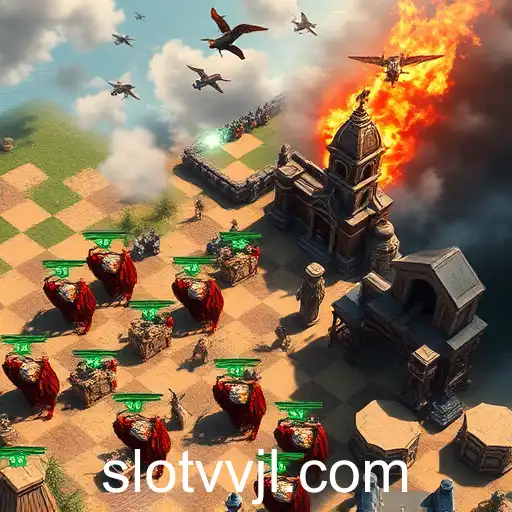
In the ever-evolving landscape of digital entertainment, strategy games have carved out a prominent niche, offering players a unique blend of intellect and immersion. Characterized by their emphases on skillful planning and tactical decision-making, strategy games challenge players to think several steps ahead to outwit their opponents or conquer complex scenarios.
The roots of strategy gaming extend far back into history, with classic board games such as Chess and Go laying the foundational principles that modern video games would later build upon. As technology advanced, the digital realm embraced strategy games, transforming them into a sophisticated genre with numerous subcategories, including real-time strategy (RTS), turn-based strategy (TBS), and tower defense, to name but a few.
One of the essential attractions of strategy games is their ability to engage the intellect. Unlike genres that may rely heavily on reflexes or button-mashing, strategy games require thoughtful analysis and foresight. Players must juggle multiple aspects simultaneously—resource management, army positioning, or city planning—while anticipating their opponents' moves, akin to a never-ending game of chess. This complexity not only challenges the mind but also fosters a sense of accomplishment with each victory.
Moreover, strategy games have effectively leveraged the power of modern computing to create rich, immersive worlds where players can lose themselves for hours. Consider titles such as 'Civilization', where one can lead a civilization from the dawn of mankind into the future, or 'StarCraft', a game that pushes players to manage resources and battle extraterrestrial forces on a galactic scale. These games are lauded not just for their gameplay mechanics, but also for their storytelling and world-building, which enrich the player's experience.
The multiplayer aspect of strategy games further enhances their allure. Competing against human opponents adds a layer of unpredictability and excitement that AI cannot replicate. The strategic mind games between players, their adaptability, and the ever-present lure of improving one’s skills keep the community vibrant and engaged.
Despite their complexity, the barrier to entry for strategy games has lowered significantly in recent years, thanks to intuitive interfaces and tutorial systems integrated by developers. This accessibility factor means that gamers of all skill levels can jump into the genre and find a title that suits their taste. Whether it's building an empire, waging epic battles, or surviving a post-apocalyptic scenario, there's a strategy game out there for everyone.
In conclusion, the appeal of strategy games is rooted in their complexity, intellectual engagement, and the ability to offer players the chance to become the master strategists they've always dreamed of being. As technology continues to advance, the possibilities for deeper and more engaging strategy games remain vast, promising an exciting future for this genre beloved by millions.
